binaural audio formats compared which is best for audiophiles
Binaural audio has revolutionised the way we experience sound, particularly for audiophiles seeking immersive listening experiences. With an increasing variety of formats available, it can be challenging to determine which is best suited to your needs. In this article, we will compare the most popular binaural audio formats of 2026, helping you make an informed choice.
1. Binaural Recording Techniques
Binaural audio is primarily captured using two microphones positioned to mimic human ear placement. This technique creates a three-dimensional sound experience. The most notable recording techniques include the dummy head method, where a lifelike mannequin is used, and spaced pair recordings that utilise two microphones placed at ear distance apart. Both methods offer unique auditory experiences, but the dummy head method is often favoured for its realism.
2. Ambisonics
Ambisonics is another advanced spatial audio format that captures sound from all directions, allowing for a 3D soundfield. It is particularly popular in virtual reality applications and can be decoded for binaural playback. Ambisonics is usually recorded with four or more microphones in a specific arrangement. This format excels in preserving the spatial characteristics of sound, making it an excellent choice for immersive environments. Audiophiles may prefer Ambisonics for its versatility, especially when engaging with complex audio environments.
People Also Look For:
- Signal Processing Algorithms for Adaptive Loudspeaker-Based Binaural Audio Reproduction: 8 (Aachen Series on Communication Systems...
- OM SYSTEM LS-P5 Hi-Res Audio Recorder – Advanced Tresmic II 3-Microphone System, Bluetooth Monitoring, 16GB Storage, 37h Battery...
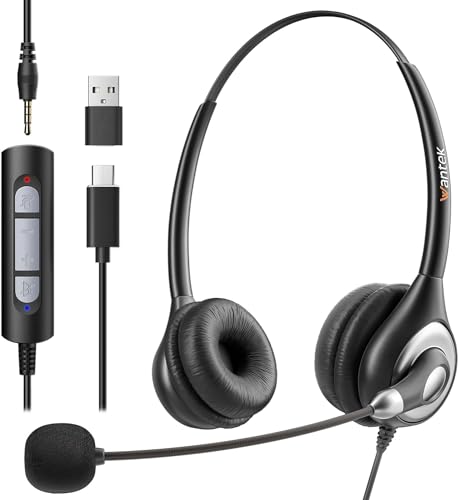
- EPOS IMPACT 460 Binaural On-Ear USB C and USB A Wired Headset with Noise-Canceling Mic, Plug-and-Play, high fidelity Sound, Comfor...
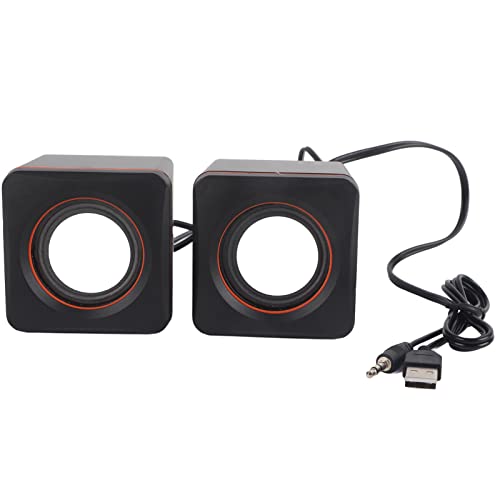
- YUEHISY USB Computer Speaker, Mini Stereo 3.5mm Wired Speaker, Dual Channel Sound, Volume Control, Plug and Play, for Desktop Lapt...
- Ylwxzenith Excellent Quality Binaural Telephone Headset with Microphone, 330° Rotatable Arm, and Audio Control for Office and USB...
3. Dolby Atmos
Dolby Atmos has transformed both cinema and home audio systems by adding height channels to the traditional surround sound setup. While primarily known for its spatial capabilities in home theatre systems, Dolby Atmos also supports binaural audio through headphones. This technology allows for an incredibly immersive experience, making sounds appear to come from above and around you. Audiophiles who enjoy film soundtracks will appreciate the depth and clarity Dolby Atmos provides.
4. Head-Related Transfer Functions (HRTFs)
HRTFs are a key component of binaural audio, simulating how sound reaches the ears based on the listener's head and ear shape. Various audio software applications use HRTFs to create binaural audio experiences. This format can be pivotal in enhancing the realism of recordings, particularly when paired with other techniques like ambisonics or dummy head recordings. Audiophiles seeking a more personalised listening experience should explore HRTFs as part of their audio setup.
5. YouTube and Streaming Services
Many streaming platforms now offer binaural audio content, including YouTube, which has seen an influx of creators experimenting with binaural techniques. When searching for binaural tracks, look for videos tagged with 'binaural beats' or '3D audio' to find content optimised for headphone listening. Audiophiles should pay attention to the audio quality settings in their streaming apps to ensure they are experiencing the best possible sound.
Practical Considerations
When considering which binaural format to utilise, audiophiles should evaluate several factors, including playback hardware, content availability, and personal preferences. For instance, if you are a frequent listener of VR content, Ambisonics may be the best choice, while those who enjoy cinematic audio might gravitate towards Dolby Atmos. Additionally, investing in high-quality headphones can significantly affect your binaural experience, so consider models specifically designed for spatial audio.
Future of Binaural Audio
The field of binaural audio continues to evolve, with advancements in both recording techniques and playback technology. As immersive audio becomes more mainstream, audiophiles can expect a wider variety of content and formats to choose from. Staying informed about the latest developments in binaural audio will ensure you can adapt your listening habits and equipment to enjoy the best auditory experiences possible.