common mistakes when recording binaural audio for beginners
Binaural audio has become increasingly popular among audio enthusiasts and content creators. This immersive sound technique captures audio in a way that mimics human hearing, providing a three-dimensional listening experience. However, beginners often make several common mistakes during the recording process. Understanding these pitfalls can significantly enhance the quality of your binaural recordings. Here are some mistakes to avoid when starting your journey into binaural audio.
Ignoring microphone placement
One of the most critical aspects of binaural recording is microphone placement. Beginners often underestimate the importance of positioning. Binaural microphones are designed to replicate the human head's acoustics, so placing them correctly is essential for capturing authentic spatial audio. Ensure that the microphones are positioned at ear level and maintain the correct distance from the sound source. This placement helps to accurately capture the sound's directionality and depth.
Recording in noisy environments
Background noise can significantly affect the quality of binaural recordings. Beginners frequently overlook the impact of their recording environment. It is crucial to choose a quiet space for your recordings. Consider factors such as traffic, wind, and indoor noises that could interfere with your audio. Using windshields on microphones can help reduce wind noise for outdoor recordings. Additionally, conducting a sound check before your main recording can help identify any unwanted noise.
People Also Look For:
- Ylwxzenith Excellent Quality Binaural Telephone Headset with Microphone, 330° Rotatable Arm, and Audio Control for Office and USB...
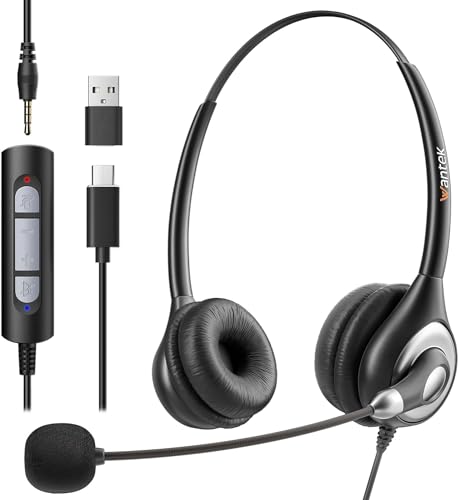
- Wantek USB Headset with Microphone for PC Laptop,USB/Type-C/Quick Disconnect Jack 3-In-1 Headphones with Noise Cancelling & Audio ...
- Ounfhtrttk Cassette Player Full Stereo Sound U Disk DC 5V 128KPS USB2.0 Binaural Sound Tape Player for Music Language Learning Hom...
- Signal Processing Algorithms for Adaptive Loudspeaker-Based Binaural Audio Reproduction: 8 (Aachen Series on Communication Systems...
- Ronyme Cassette Player 128kps Full Stereo Sound USB2.0 DC 5V Binaural Sound Tape Player Tape Player for Home Music
Overloading the audio levels
Another common mistake is recording at levels that are too high, leading to distortion in the audio. Beginners often do not monitor their input levels properly. It is essential to set your recording levels appropriately to avoid clipping. Aim for a peak level that is around minus six decibels on your audio interface or recording device. Regularly checking input levels during recording can help maintain optimal sound quality.
Neglecting to use headphones
Using headphones while recording binaural audio is vital for monitoring sound quality in real-time. Beginners sometimes skip this step, relying solely on their microphones. Headphones allow you to hear how the audio is being captured, enabling you to make adjustments as necessary. Closed-back headphones are ideal as they help isolate the sound and prevent bleed into the microphones.
Forgetting to experiment with different sounds
Many beginners stick to familiar sounds when recording binaural audio, limiting their creative potential. Binaural audio is all about exploring soundscapes. Don't hesitate to experiment with various sound sources, including nature sounds, urban environments, or musical instruments. Each sound can bring a distinct character to your recordings, and the more diverse your sound library, the richer your binaural audio will be.
Not considering post-production
Post-production is a crucial step in the audio recording process, yet beginners often overlook it. Proper editing can enhance your binaural recordings significantly. Use digital audio workstations (DAWs) to adjust levels, apply effects, and ensure a balanced mix. Additionally, consider using binaural panning techniques to position sounds in the stereo field accurately. This post-production work can elevate the immersive quality of your recordings.
Neglecting to plan your recordings
Spontaneity can lead to some of the best audio captures, but a lack of planning can result in missed opportunities. Beginners often dive straight into recording without outlining their objectives. Taking the time to plan your recording sessions can lead to more focused and high-quality results. Think about the story you want to convey through your audio and the sounds that will best help you achieve that vision.